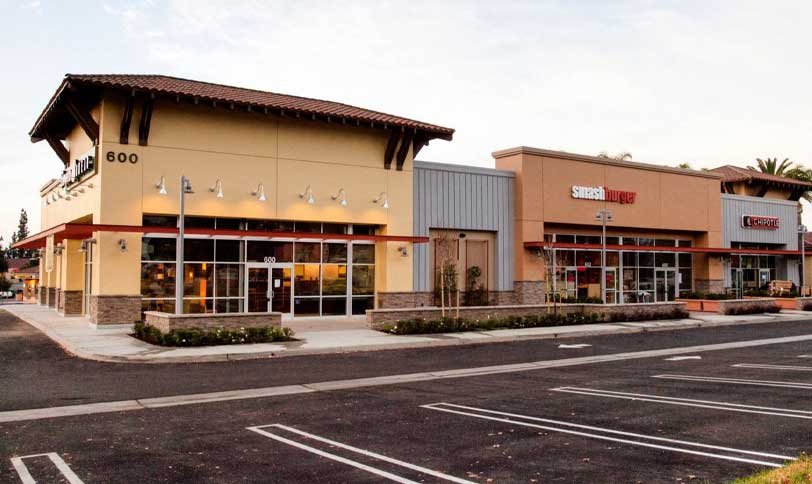
There's a special magic that happens when you stumble upon a true local treasure, a place where the aroma of something truly delicious spills onto the street, beckoning you in. These are the Neighborhood Restaurant Hotspots: the beloved culinary corners that define a community, offering more than just a meal, but an experience infused with local flavor and heartfelt hospitality. They're not always the flashy, Michelin-starred establishments, but rather the intimate eateries, the bustling bistros, the family-run taquerias, or the cozy cafes where regulars are greeted by name and every dish tells a story.
These aren't just places to eat; they're the vibrant pulse of local culture, often transforming ordinary streets into destinations for discerning palates and community gatherings. Think of a restaurant that embodies the spirit of local, intimate dining, where both ambiance and culinary quality take center stage—much like the charming "neighborhood gems" described in Fremont's East Bay, known for their personalized service and commitment to exceptional, locally-touched cuisine.
At a Glance: Unearthing Your Next Favorite Local Spot
- More Than Just Food: Neighborhood hotspots offer unique ambiance, personalized service, and a strong sense of community.
- Beyond the Hype: They often fly under the radar of major publications but are celebrated by locals.
- Diverse & Authentic: Reflecting the cultural richness of their surroundings, these spots provide truly unique dining experiences.
- Support Local: Dining at these establishments directly contributes to the local economy and helps preserve community character.
- How to Find Them: Go beyond typical review sites; tap into local word-of-mouth, community forums, and focused guides.
The Undeniable Allure of Hyper-Local Dining
In an increasingly globalized world, the craving for authenticity and connection has never been stronger. This yearning finds its perfect fulfillment in neighborhood restaurant hotspots. These aren't just businesses; they are vital organs of the community, often family-owned, passionately operated, and deeply integrated into the fabric of daily life. They offer a tangible connection to the place you're in, providing a dining experience that is often impossible to replicate elsewhere.
You see it in the handcrafted decor, the locally sourced ingredients, the menu items that nod to regional traditions, and the friendly faces of staff who genuinely care about your experience. It's a stark contrast to the often sterile or standardized offerings of large chains, providing a sense of discovery and belonging that resonates deeply. When you dine at these places, you're not just a customer; you're a guest in their culinary home, part of a shared experience that enriches both you and the community.
What Makes a Restaurant a "Neighborhood Hotspot"?
It's a question often asked, and the answer isn't purely about cuisine or price point, but a blend of intangible qualities that create a distinctive atmosphere and experience.
- Distinctive Character: These places have personality. They often boast unique decor, a specific musical vibe, or a quirky theme that sets them apart from the generic dining experience. It's about a clear, authentic identity, not just mimicking current trends.
- Community Hub: True hotspots serve as gathering places. They might host local artists, feature community events, or simply be the default meeting spot for friends and families. They foster connections, making you feel more connected to the area.
- Personalized Service: Forget anonymous transactions. At a neighborhood gem, staff often remember regulars, anticipate preferences, and go the extra mile to make your visit special. This isn't just good service; it's caring service.
- Consistent Quality with Local Flair: While the cuisine can range from innovative to comforting classics, the quality is reliably high. Importantly, the food often reflects local tastes, ingredients, or cultural influences, giving it a unique "sense of place." It's food with a story, often told through generations.
- Word-of-Mouth Buzz: You won't always find these places plastered across national billboards. Their reputation grows organically, shared enthusiastically between neighbors, colleagues, and friends. This organic endorsement is often the strongest indicator of a truly cherished spot.
- Intimate & Inviting Ambiance: Whether cozy and rustic or sleek and modern, the atmosphere feels welcoming and unpretentious. It’s a place where you can relax, be yourself, and enjoy good company without feeling rushed or overwhelmed.
The Economic & Cultural Impact: Why These Gems Matter
Supporting neighborhood restaurant hotspots isn't merely about finding a great meal; it's an investment in the health and vibrancy of your local economy and culture. These establishments are often small businesses, owned and operated by local entrepreneurs who pour their hearts into their craft.
When you choose to dine locally, your money circulates within the community, supporting local farmers, suppliers, and employees. This creates a ripple effect, bolstering the entire local ecosystem. Moreover, these restaurants contribute significantly to the cultural identity of a neighborhood. They are the keepers of traditional recipes, the incubators of new culinary trends, and the gathering places that reflect the diverse tapestry of the people who live there. Losing such a spot can feel like losing a piece of the neighborhood's soul.
Consider vibrant areas like Charlotte, North Carolina, where dedicated foodies often seek out particular vibes for their dining experiences. For instance, those looking for upscale and refined options might explore the Best Uptown Charlotte Restaurants, where a mix of sophisticated dining rooms and chic bistros define the urban core. Each neighborhood often has its own distinct character, shaped in large part by its culinary offerings.
Mastering the Art of Discovery: How to Unearth Your Next Favorite Spot
Finding these hidden gems takes a bit more effort than simply typing "restaurants near me" into a search engine. It requires curiosity, local savvy, and a willingness to explore beyond the well-trodden path.
1. Tap into Local Wisdom: The Original Social Network
Before the internet, word-of-mouth was king, and it still holds immense power for uncovering neighborhood hotspots.
- Ask Residents: The best sources are often the people who live and work in the area. Strike up conversations with shopkeepers, barbers, baristas, or even your neighbors. "Where do you go when you want a really great, unpretentious meal?" is a fantastic opener.
- Local Community Platforms: Websites like Nextdoor, local Facebook groups, or community forums are goldmines. People frequently post recommendations, share experiences, and engage in lively discussions about their favorite local eateries. Pay attention to consistent mentions and passionate endorsements.
- Local Bloggers & Food Critics (The Hyper-Local Kind): Look for food blogs or social media accounts specifically dedicated to your city or even your particular neighborhood. These individuals often have their ear to the ground and a passion for showcasing truly local talent.
2. Strategic Online Exploration: Digging Deeper than the Big Players
While global review sites have their place, they can sometimes overlook smaller, niche establishments.
- Filter by "Neighborhood Gem" or "Local Favorite": Some platforms now offer specific categories or filters that highlight these types of restaurants. For example, OpenTable explicitly features "neighborhood gem" lists, helping you pinpoint those special spots.
- Peruse Local News & Magazines: Local newspapers (especially their dining sections), city magazines, and regional lifestyle websites often spotlight lesser-known establishments that might not make national headlines but are beloved locally.
- Social Media Hashtags: Search Instagram or Twitter for specific neighborhood hashtags (e.g., #FremontEats, #YourTownFoodie, #LocalGems) to see what locals are posting about. Visuals can be highly persuasive!
3. The Power of "Just Walking Around"
Sometimes the best discoveries are made by chance.
- Wander Off Main Streets: Venture down side streets, into quieter alleys, or residential areas near commercial zones. Many true gems are tucked away, not necessarily on the most prominent thoroughfares.
- Look for Busy (But Not Touristy) Places: A restaurant packed with locals on a Tuesday night is a strong indicator of a hotspot. Pay attention to storefronts that exude warmth, have interesting menus posted, or show signs of genuine local activity.
- Follow Your Nose: Seriously. The smell of freshly baked bread, sizzling garlic, or exotic spices wafting from an open kitchen can be the ultimate guide.
4. Exploring Diverse Culinary Landscapes
Different neighborhoods often specialize in different types of dining experiences, a dynamic you can observe in cities known for their distinct areas. For instance, in Charlotte, the vibrant arts district of NoDa is celebrated for its eclectic and Explore NoDas unique dining, reflecting the area's creative and independent spirit. Meanwhile, if you head to South End, you might find a different flavor. The Top South End Charlotte Restaurants often showcase a more modern, industrial-chic vibe, catering to a bustling professional and residential crowd with innovative menus and craft beverage selections. Understanding these area distinctions can help you zero in on the kind of "hotspot" you're looking for.
Navigating the Experience: Etiquette and Expectations for Local Gems
Once you've found a promising neighborhood hotspot, knowing how to approach the experience can make it even more rewarding.
Making Reservations (or Not)
- Small & Popular: Many neighborhood gems are small, with limited seating, and can fill up quickly, especially on weekends. Always check their website or call ahead for reservation policies. If they accept them, make one!
- Walk-ins Welcome: Others operate on a walk-in-only basis. In these cases, be prepared for a potential wait, especially during peak hours. See it as part of the experience, a chance to soak in the local atmosphere.
- Off-Peak Advantage: For a quieter, more intimate experience, try visiting during off-peak hours (e.g., late lunch, early dinner, or on a weekday). You might also get more personalized attention.
Embracing the Local Vibe
- Go with the Flow: These places often have their own rhythm and quirks. Service might be a little less formal, the decor a bit eclectic, or the pace more relaxed. Embrace it; it’s part of the charm.
- Engage with Staff: A friendly conversation with your server or the owner can deepen your appreciation for the restaurant's story and mission. Ask for recommendations – they often know the menu best and can guide you to true local favorites.
- Be Open to New Tastes: Don't be afraid to try dishes you've never heard of, especially if they're local specialties. This is where culinary adventures happen.
Supporting Sustainably
- Tip Generously: Service staff at independent restaurants often rely heavily on tips. If you've had a great experience, show your appreciation.
- Leave Reviews (Thoughtfully): Positive, specific reviews on platforms like Google, Yelp, or local food blogs can be incredibly helpful for these businesses. Highlight what you loved – the food, the service, the atmosphere, a specific dish.
- Spread the Word: Tell your friends, family, and colleagues. Genuine, personal recommendations are invaluable for neighborhood hotspots.
Pitfalls to Avoid in Your Culinary Quest
While the search for neighborhood restaurant hotspots is mostly rewarding, there are a few common missteps to sidestep.
- Relying Solely on Top-Tier Review Sites: The algorithms of major review platforms often favor restaurants with high volume or advertising budgets. This can sometimes push smaller, truly local spots further down the search results. Broaden your search!
- Dismissing Modest Exteriors: Don't judge a book by its cover, or a restaurant by its storefront. Some of the most incredible culinary experiences are found behind unassuming facades in strip malls or tucked away on residential streets. The charm is often inside.
- Overlooking Cultural Nuances: Be mindful that what constitutes a "hotspot" can vary significantly across different cultures and cuisines. A bustling, loud diner might be the epitome of a great experience in one culture, while a quiet, reserved tea house is the gem in another. Approach each with an open mind and respect for its unique context.
- Expecting Chain-Level Uniformity: Neighborhood hotspots thrive on their individuality. This means a dish might vary slightly from one visit to the next depending on seasonal ingredients, or the service style might be wonderfully unique rather than rigidly standardized. Embrace the variation.
- Ignoring the "Off-Menu" or Daily Specials: Many local gems use daily specials to showcase fresh, seasonal ingredients or to experiment with new dishes. Always ask about them! They often represent the chef's passion and the kitchen's creativity.
The Future of Local Dining: Cultivating a Culture of Appreciation
As consumer preferences shift towards experiences over mere consumption, the significance of neighborhood restaurant hotspots will only continue to grow. They represent a sustainable model of dining that prioritizes quality, community, and authenticity.
For us, the diners, it means a more enriching and delicious way to engage with our surroundings. It's about consciously choosing to support the businesses that add character and flavor to our lives, fostering a healthier, more connected community. So, the next time you're deciding where to eat, pause for a moment. Look beyond the obvious. Listen to the local chatter. Take a stroll down an unfamiliar street. You might just uncover a culinary gem that becomes your new favorite spot, a place where every meal feels like coming home.
Go forth and explore. Your taste buds, and your community, will thank you for it.